Research Group: Resilience and Sustainability in Education and Society
Interdisciplinary research for resilient, sustainable, and democratic societies.
The Research Working Group on Resilience and Sustainability in Education and Society brings together researchers from the University of Education Freiburg with academics and practice partners from Germany and abroad. It serves as an interdisciplinary research platform at the intersection of education, sustainability, democracy, health, security, and societal transformation, fostering scholarly exchange on transformative processes and the role of education, research, and knowledge transfer in shaping them.
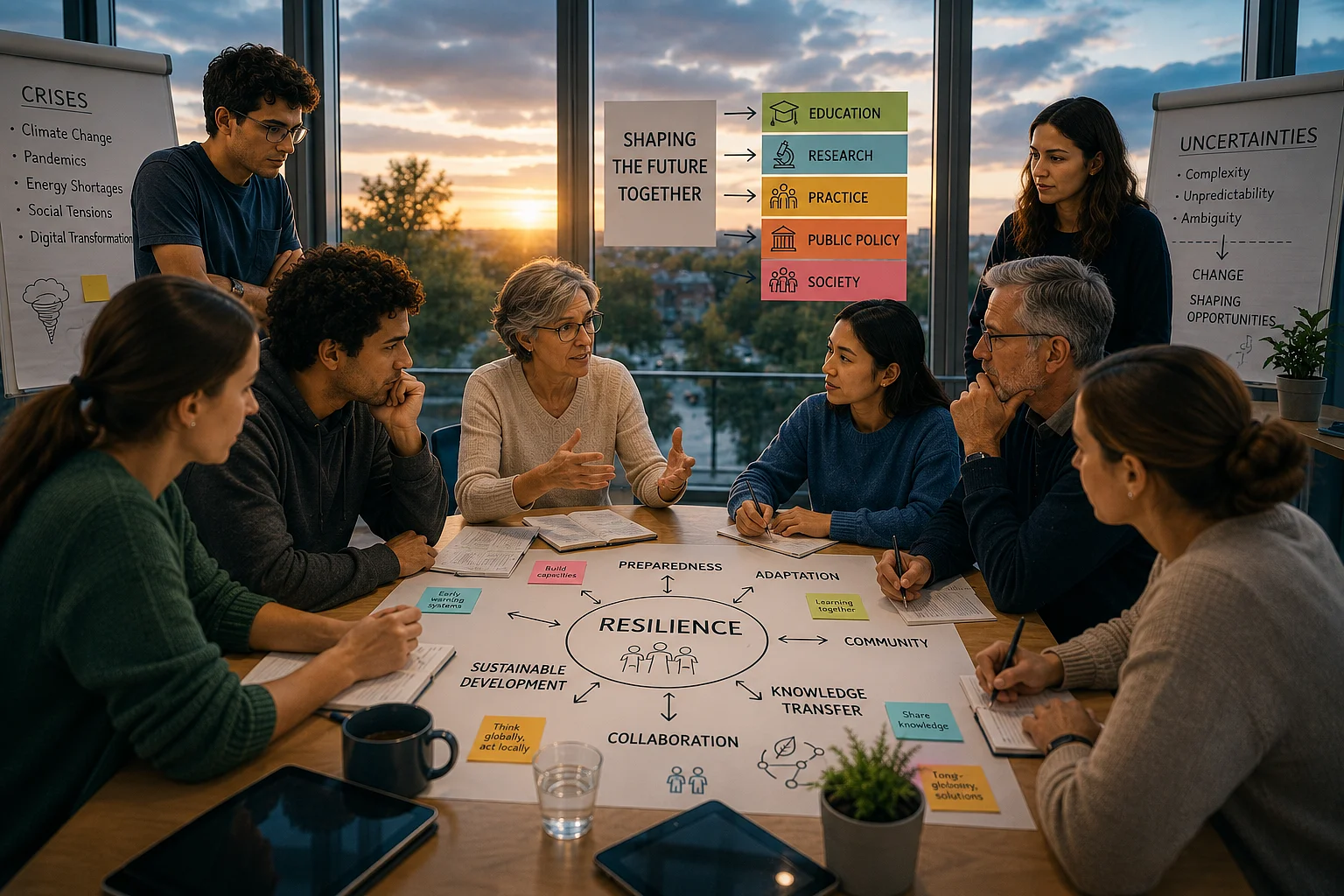
At the heart of the group's work lies the question of how individuals and institutions can be empowered to respond constructively to crises, uncertainty, and profound societal change while actively contributing to sustainable transformation.
A particular focus is placed on the development of evidence-based educational and knowledge transfer concepts for children, young people, university students, professionals, managers, and multipliers. The group addresses both individual competencies and organisational and societal resilience. Research on health literacy, Education for Sustainable Development (ESD), democratic participation, crisis preparedness, future competencies, and science communication is brought together within a common interdisciplinary framework.
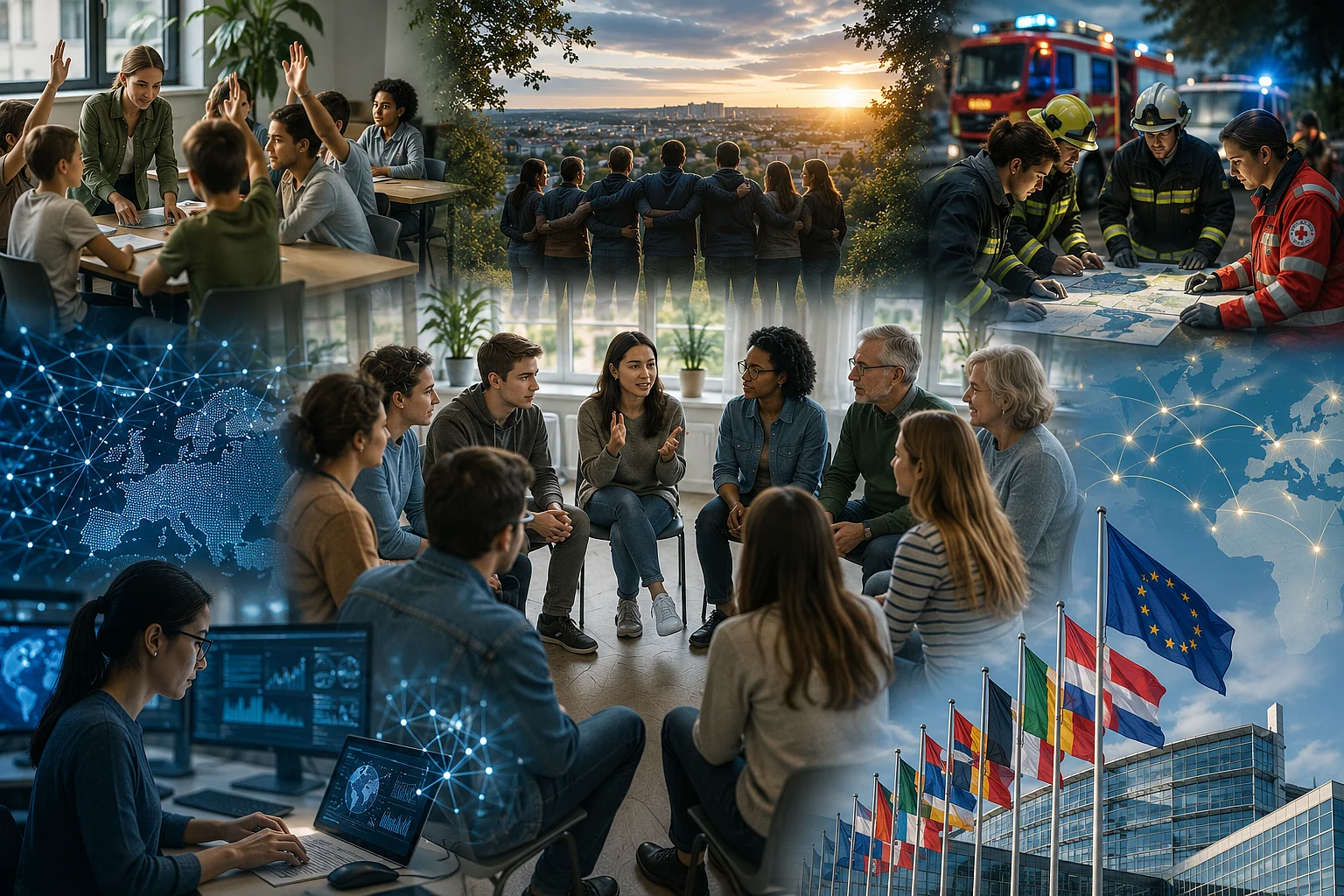
The Research Working Group aims to connect diverse scientific perspectives, develop innovative research approaches, and establish long-term collaborations among universities, educational institutions, public organisations, and practice partners. It provides an open forum for interdisciplinary dialogue and promotes the joint development of research projects, publications, and knowledge transfer initiatives.
At the same time, the Working Group serves as an institutional platform for the preparation of national and international research collaborations. It supports the development of jointly funded research proposals—from regional partnerships to large-scale European research projects—and contributes to translating scientific knowledge into meaningful impact for education, society, and public policy. Current research on resilience education, crisis preparedness, sustainable transformation, and democratic participation provides important points of departure and is continuously advanced in collaboration with partners from academia and practice.
The Working Group is conceived as a long-term scientific network that combines research, knowledge transfer, and the promotion of young researchers. It provides a framework for collaborative grant applications, joint publications, doctoral research, scientific conferences, and strategic research alliances, thereby contributing to the development of a resilient, sustainable, democratic, and health-promoting society.
Research Areas
- Resilience in educational, organisational, and societal contexts
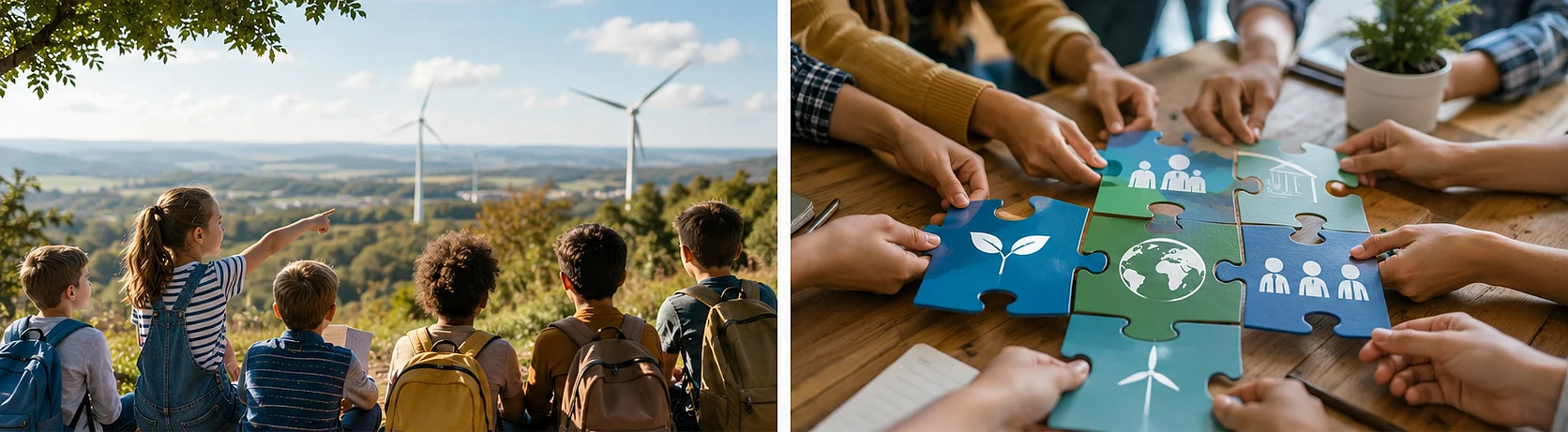
- Sustainable participation in the Earth system and Education for Sustainable Development (ESD/TVET for Sustainable Development)
- Democracy education, participation, and social cohesion
- Health literacy and prevention in educational and community settings
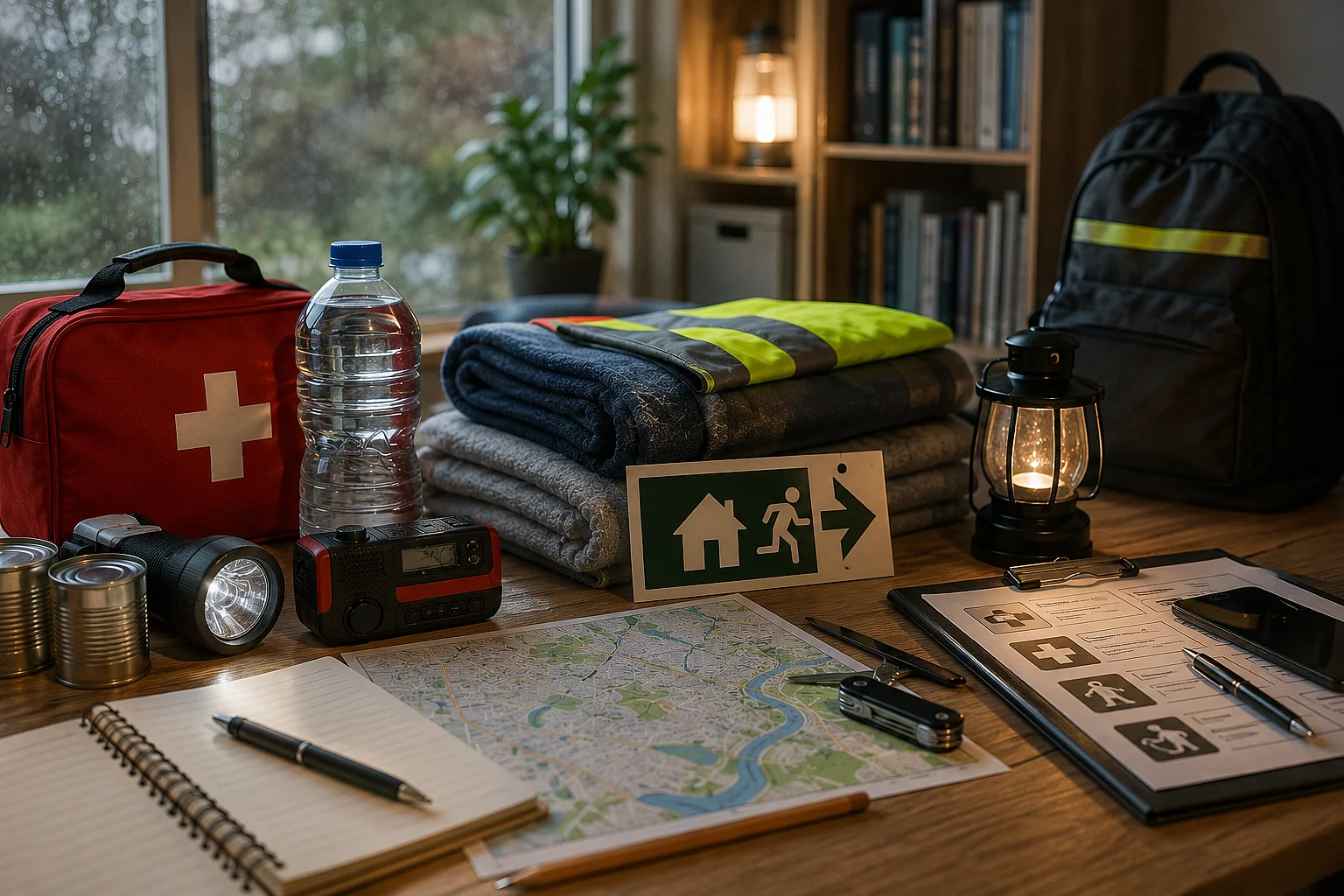
- Risk, crisis, and security education, including civil protection
- Future skills and transformation competencies
- Science communication and knowledge transfer between research and practice
- Digital innovation, artificial intelligence, and European education and research cooperation
Members
University of Education Freiburg
- Prof. Dr. Eva Maria Bitzer
- Prof. Dr. Gregor C. Falk
- Prof. Dr. Stefanie Hiestand
- Prof. Dr. Silke Mikelskis-Seifert
- Prof. Dr. Juliana Schlicht
External Members
- Prof. Dr. Thomas Hoffmann, Senior Lecturer, Karlsruhe Centre for Teacher Education and Professional Development (Gymnasium); Honorary Professor, Leuphana University Lüneburg, Institute for Education for Sustainable Development and Transdisciplinary Research
- Prof. Dr. Katharina Schröer, University of Freiburg, Professor of Climate Geography, Climate Geography Lab (CliG)
- Colonel (General Staff) Prof. Dr. Manuel Schulz, Director of the Centre for Technology-Enhanced Education (ZtB), Helmut Schmidt University / University of the Federal Armed Forces Hamburg
![[Translate to English:] Eine von extremer Hitze geprägte Stadtstraße zeigt die Auswirkungen eines länger andauernden Stromausfalls. Menschen versuchen sich mit Wasser und einfachen Hilfsmitteln vor der Hitze zu schützen, während umgestürzte Äste und eine eingeschränkte Infrastruktur die Belastung der Situation verdeutlichen. Die Szene ist als symbolisches Zukunftsszenario gestaltet und verweist auf Forschung zu Risiko- und Krisenbildung, Klimafolgenanpassung, Bevölkerungsschutz sowie der Stärkung individueller und gesellschaftlicher Resilienz.](/fileadmin/_processed_/6/8/csm_Hitzewelle_und_Stromausfall_in_der_Stadt_ChatGPT_Image_10._Juli_2026__02_37_19_9f5200095f.webp)